-
Easy and convenient learning
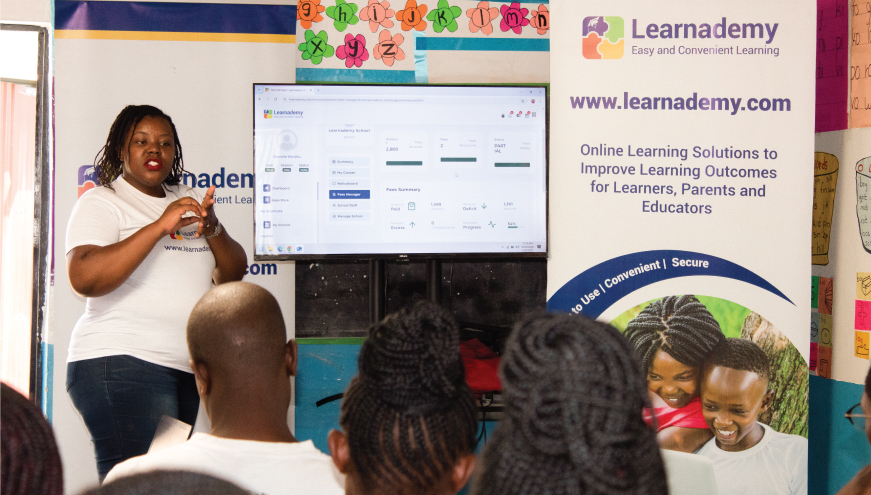
For years, one-off workshops have dominated teacher professional development. Attend a session, take notes, collect a certificate, and return to the classroom. Yet time and again, research and experience show that most of what is learned in these single-day events is difficult to implement. Strategies fade, methods remain theoretical, and teachers often find themselves unsupported when real classroom challenges arise.
One-day workshops have long been the default, but their limitations are clear. They provide content without sufficient opportunities for practice, reflection, or feedback. Learning in isolation means that challenges go unaddressed, and without ongoing support, even the most promising strategies rarely translate into meaningful impact in the classroom. One-off sessions may deliver information, but they rarely produce sustained skill growth or tangible outcomes for learners.
Why One-Off Workshops Fail
Despite their popularity, one-day workshops often fail because they do not align with how teachers actually learn and apply new practices. Without structured follow-up, teachers struggle to transfer theory into practical classroom strategies. Feedback is delayed or absent, leaving educators unsure whether their new approaches are effective. Peer collaboration is minimal, so challenges are often tackled alone, reducing the chance of improvement. Over time, even well-intentioned methods fade, leaving teachers with a sense of unfinished learning and limited classroom impact.
In essence, the format prioritizes convenience over effectiveness. Workshops can check administrative boxes and provide certificates, but they rarely produce measurable improvements in teaching practice or outcomes for learners. Teachers are left with knowledge but without the guidance, support, and structures needed to apply it consistently.
Continuous Professional Development: A New Approach
Recognizing these challenges, continuous, structured professional development is emerging as a more effective alternative. Organizations like Learnademy are leading the shift, offering programs that combine practical application, ongoing support, and collaborative engagement to ensure that professional growth translates directly into classroom results.
A central element of this approach is cohort-based learning, where teachers move through training programs together. By sharing challenges, feedback, and solutions, educators reinforce their learning and test strategies in real time. Cohorts provide not just instruction, but community; a network of peers who support one another in applying new methods, addressing obstacles, and reflecting on outcomes.
Equally critical is Competency-Based Education (CBE) mastery, delivered through Learnademy’s CBE retooling for teachers. This program equips educators with the skills needed to thrive in modern classrooms, including digital learning environments. Developed from insights gathered at the Innovative Teachers Summit, the retooling covers practical areas such as lesson planning, curriculum interpretation, assessment design, learner engagement, and effective use of digital tools.
Teachers are guided and evaluated on their ability to implement these concepts effectively, ensuring professional development is outcome-focused and directly applicable. By prioritizing mastery over mere participation, continuous development closes the gap left by one-off workshops: actionable, measurable skill growth.
Another key feature is ongoing support. After training sessions, teachers have access to webinars, peer discussion forums, and mentorship channels. This ensures that learning is not a static event but a living process, responsive to real-time classroom challenges. Educators can follow up, ask questions, and refine strategies, an opportunity that traditional workshops rarely provide.
Beyond skill-building, continuous development also opens new avenues for professional empowerment. Through Learnademy’s Easy Learn platform, teachers can generate additional revenue by monetizing their content and sharing it with learners from anywhere. This transforms professional development into a pathway for career growth, financial agency, and broader impact. Educators gain autonomy, recognition, and the ability to extend their influence beyond their own classrooms.
The implications for education are significant. Teachers gain confidence, practical skills, and ongoing support to implement strategies effectively. Schools benefit from professional development that is measurable, relevant, and aligned with classroom realities. Learners experience the results: teachers equipped to deliver high-quality, adaptive learning experiences.
When professional development is designed as a continuous, collaborative journey, it empowers teachers to apply new strategies confidently and adapt to the evolving needs of their classrooms. Educators gain practical skills, peer support, and the professional autonomy to innovate in their practice. This approach ensures that learning translates into real impact for learners, making classrooms more dynamic, engaging, and effective. Continuous, competency-focused development is not just an improvement; it is the future of teaching.